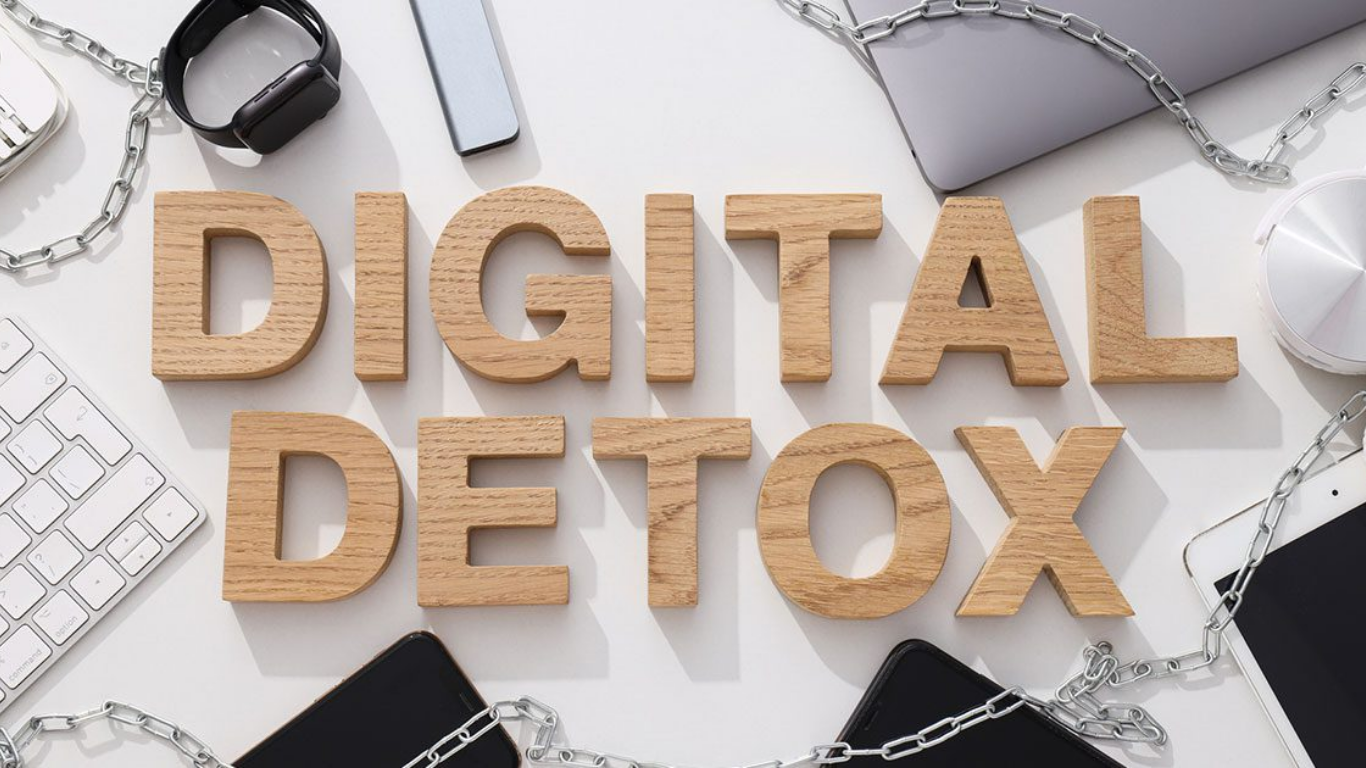
In today’s fast-paced, technology-driven world, digital devices have become an inseparable part of our daily lives. From smartphones and laptops to tablets and smartwatches, we are constantly connected. While technology has made life more convenient, productive, and connected, it has also created new challenges for our mental, physical, and emotional well-being. This is where the concept of a digital detox becomes increasingly important. A digital detox is a conscious break from digital devices and online platforms to reconnect with yourself, your surroundings, and real-world experiences. It does not mean abandoning technology forever, but rather using it more mindfully. This article explores what a digital detox is, why you need one, and how it can transform your life for the better.
What Is a Digital Detox
A digital detox refers to a period of time during which a person intentionally reduces or completely avoids the use of digital devices such as smartphones, computers, social media platforms, and other screen-based technologies. The goal is to reduce stress, improve focus, enhance mental clarity, and regain balance in life. Digital detoxes can be short, such as a few hours a day, or longer, like a weekend, a week, or even a month. The duration and approach depend on individual needs and lifestyle.
The Rise of Digital Overload
Constant Connectivity:
Modern technology keeps us connected 24/7. Emails, messages, notifications, and social media updates demand our attention constantly. This nonstop connectivity often leads to mental fatigue and burnout.
Information Overload:
We consume massive amounts of information daily—news, videos, posts, and advertisements. Our brains are not designed to process such an overwhelming flow of data continuously, which can result in stress and anxiety.
Social Media Pressure:
Social media platforms often promote unrealistic standards of success, beauty, and happiness. Constant comparison can negatively impact self-esteem and mental health.
Why You Need a Digital Detox
To Improve Mental Health:
Excessive screen time has been linked to increased levels of anxiety, depression, and stress. Constant notifications keep the brain in a state of alertness, preventing true relaxation. A digital detox allows your mind to slow down, reducing mental clutter and emotional overload. Stepping away from social media can also reduce comparison, fear of missing out (FOMO), and negative self-talk.
To Reduce Stress and Burnout:
Work emails, deadlines, and online responsibilities often follow us home. Without clear boundaries, it becomes difficult to switch off from work mode. Taking a break from digital devices helps lower cortisol levels (the stress hormone), allowing your body and mind to recover. You may feel calmer, more relaxed, and emotionally balanced.
To Improve Sleep Quality:
One of the biggest impacts of digital overuse is poor sleep. Blue light emitted by screens suppresses melatonin, the hormone responsible for sleep. Late-night scrolling can delay sleep onset and reduce sleep quality. A digital detox, especially before bedtime, helps regulate your sleep cycle, leading to deeper and more restful sleep.
To Boost Focus and Productivity:
Multitasking between apps, messages, and notifications reduces concentration and efficiency. Studies show that frequent digital interruptions lower productivity and increase mistakes. By limiting screen time, your brain can focus better on one task at a time. This improves work quality, creativity, and overall efficiency.
To Strengthen Real-Life Relationships:
Excessive phone use can weaken face-to-face interactions. Being physically present but mentally distracted by a screen affects communication and emotional connection. A digital detox encourages meaningful conversations, active listening, and deeper relationships with family and friends.
To Reconnect With Yourself:
Constant digital noise leaves little time for self-reflection. Many people feel disconnected from their emotions, goals, and values. Time away from screens allows you to reconnect with yourself, understand your thoughts, and gain clarity about what truly matters in life.
Physical Health Benefits of a Digital Detox
Reduced Eye Strain:
Prolonged screen exposure causes digital eye strain, headaches, and blurred vision. A detox gives your eyes much-needed rest.
Better Posture:
Excessive phone and laptop use contributes to neck pain, back pain, and poor posture. Reducing screen time encourages movement and healthier body alignment.
Increased Physical Activity:
Without screens consuming your free time, you are more likely to engage in physical activities such as walking, exercising, or playing outdoor games.
Signs You May Need a Digital Detox

You might benefit from a digital detox if you:
-
Feel anxious without your phone
-
Check notifications compulsively
-
Spend hours scrolling without purpose
-
Have trouble focusing or sleeping
-
Feel mentally exhausted or overwhelmed
-
Compare yourself constantly to others online
Recognizing these signs is the first step toward positive change.
How to Start a Digital Detox
Set Clear Intentions:
Decide why you want a digital detox. Is it to reduce stress, improve sleep, or spend more time with loved ones? A clear purpose increases commitment.
Start Small:
You don’t need to quit technology completely. Begin with small steps such as:
-
No phone during meals
-
No screens one hour before bed
-
One social-media-free day per week
Turn Off Non-Essential Notifications:
Disable notifications that are not urgent. This reduces distractions and mental interruptions.
Create Tech-Free Zones:
Designate certain areas of your home as tech-free, such as the bedroom or dining area.
Replace Screen Time With Healthy Activities:
Use the freed-up time for:
-
Reading books
-
Exercising
-
Journaling
-
Meditation
-
Spending time in nature
Practice Mindful Technology Use:
When you do use technology, do it intentionally. Avoid mindless scrolling and set time limits for apps.
Digital Detox in the Workplace
Employers and employees alike are recognizing the importance of digital well-being. Encouraging breaks from screens, respecting work-life boundaries, and avoiding after-hours emails can reduce burnout and improve job satisfaction. Remote workers, in particular, should establish clear work hours and offline time to maintain balance.
Myths About Digital Detox
“I’ll Fall Behind”:
Taking breaks does not make you unproductive. In fact, it improves efficiency and creativity.
“I Can’t Live Without My Phone”:
A detox is temporary and flexible. It’s about control, not elimination.
“It’s Only for Mental Health Issues”:
Digital detox is beneficial for everyone, not just those experiencing stress or anxiety.
Long-Term Benefits of Regular Digital Detoxes
Practicing digital detox regularly can lead to:
-
Improved mental clarity
-
Stronger relationships
-
Better emotional regulation
-
Increased self-awareness
-
Greater life satisfaction
Over time, you develop a healthier relationship with technology instead of being controlled by it.
Finding Balance in a Digital World
Technology itself is not the enemy. It is a powerful tool when used wisely. The problem arises when technology starts controlling our time, attention, and emotions. A digital detox helps restore balance by reminding us that life exists beyond screens. It encourages us to be present, mindful, and intentional in how we live.
Conclusion:
In an era where digital devices dominate nearly every aspect of life, taking a step back is no longer a luxury—it’s a necessity. A digital detox is a powerful way to protect your mental health, improve focus, strengthen relationships, and reconnect with yourself. You don’t need to disconnect completely to benefit. Even small, consistent changes can make a big difference. By consciously managing your digital habits, you can enjoy the benefits of technology without sacrificing your well-being. The real goal of a digital detox is not to escape technology but to reclaim control over your time, mind, and life. More info…